Custom Home Builder Design: Your Vision, Our Expertise
The design phase with a custom home builder represents a key intersection of personal vision and professional craftsmanship. Homeowners encounter several challenges throughout the process, ranging from budgeting to unexpected site problems. Understanding these details is imperative for a successful result. Collaborative planning with a builder can enhance the experience. However, many may overlook key factors that can make or break the realization of their dream home. What are the essential steps to guarantee that vision materializes into reality?
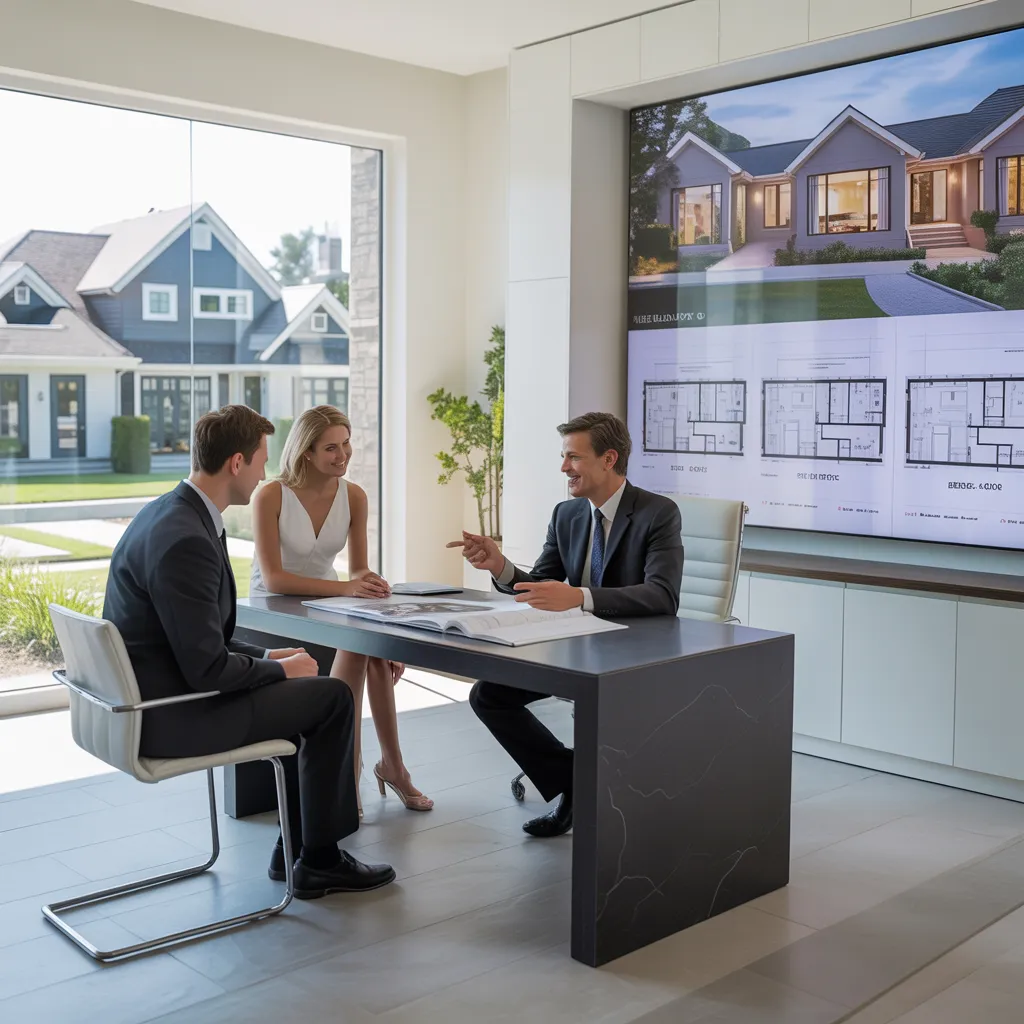
Understanding What Occurs When Erecting Your Custom Home: Ordinary Complications and Solutions
Building a custom home can be an stimulating but challenging journey. Prospective homeowners often experience common challenges that can surface during the construction process. One prevalent issue is managing timelines, as delays can stem from various factors such as weather conditions or supply chain disruptions. To mitigate this, productive dialogue with the builder and regular progress check-ins are essential.
Another obstacle involves managing design changes, which can occur as homeowners improve their vision. Establishing a transparent, comprehensive plan from the outset can help minimize alterations and related costs.
Budgetary constraints also pose a significant hurdle, often resulting in compromises on desired features. Homeowners should prioritize their fundamental needs and remain flexible to seek out suitable alternatives.
In the end, unforeseen site issues, including soil stability or local requirements, may develop, calling for rapid solutions. Working with experienced experts can aid in addressing these obstacles productively, delivering a smoother building experience.
Budgeting Tips for Your Dream Home
When planning a bespoke property, establishing a well-defined financial strategy is essential. Homeowners should define their objectives, review various financing options, and prepare for unexpected expenses. These approaches can help guarantee that the envisioned residence remains financially feasible throughout the building process.
Establish Your Priorities
How can one prioritize their financial resources when beginning the journey to create their dream home? First, it is essential to identify important aspects that matter most, such as layout, dimensions, and operational efficiency. Prioritizing these elements helps allocate funds more optimally. Next, creating a financial ceiling informs decisions, allowing homeowners to separate between must-haves and extras. It's necessary to factor in unforeseen expenses; putting away a rainy day fund can mitigate monetary stress. Examining materials and finishes in advance can also aid in reaching sound decisions. Finally, involving a home construction professional at the outset in the process can related information deliver expert guidance on economical answers, assuring that the ultimate design corresponds with both aspiration and budget.
Consider Financing Options
Exploring financing choices is an essential step in the journey to creating a dream home. Homebuyers should start by assessing their budget, determining how much they can afford without jeopardizing financial stability. Traditional home loans are a popular option, but alternatives like construction loans or personal loans can also be considered. It's important to compare interest rates and terms from various lenders to find the best fit. Additionally, obtaining preliminary approval can expedite the building process and strengthen negotiating power. Buyers should also factor in additional costs such as land acquisition, permits, and construction insurance. By clearly understanding their financing landscape, homeowners can effectively navigate the path to their ideal custom home.
Prepare for Contingencies
Preparing ahead for contingencies is essential when planning finances for a desired residence. Building a home often uncovers surprising challenges, such as material cost increases or unforeseen structural issues. To ease financial stress, authorities propose setting aside at least 10-15% of the project budget for contingencies. This buffer fund can address surprises without derailing the project. In addition, maintaining open communication with the custom home builder guarantees that any developing complications are promptly addressed, minimizing delays and unanticipated charges. Homeowners should also evaluate adding a time cushion in the project schedule, permitting flexibility for potential delays. By strategically planning for unpredictable costs, homeowners can establish a more durable budget and heighten the probability of achieving their dream home within their fiscal boundaries.
Creating Your Home Design Vision: Layout, Visual Design, and Functionality
Defining a residential design concept requires a solid grasp of individual aesthetic choices, the functionality of spaces, and the overall layout flow. By identifying these crucial factors, homeowners can build a harmonious environment that meets their requirements and visual preferences. This process is essential for turning a ideal residence into a functional living space.
Identifying Your Style Preferences
How can one effectively discover their design inclinations when imagining a custom home? To start, individuals should examine various architectural styles, such as modern, traditional, or farmhouse, by using online resources and checking model homes. Creating a mood board with visuals, colors, and materials can help pinpoint visual preferences. Furthermore, evaluating personal belongings and current home decor can unveil intrinsic tastes. Discussing with friends or family about their design choices may also inspire motivation. Ultimately, reflecting on lifestyle needs and aesthetic desires will facilitate narrowing down options. This process not only promotes self-awareness but also assures that the final design connects deeply, setting a solid foundation for the custom home journey.
Focusing on Space Performance
Knowing individual aesthetic tastes sets the stage for prioritizing space functionality in a custom home. This requires recognizing how each area will be used and guaranteeing that the design accommodates these needs. Well-designed areas should encourage comfort and efficiency, accommodating activities such as cooking, entertaining, or relaxation. Attention to natural light, traffic patterns, and furniture placement is essential in this phase. Additionally, integrating versatile features, like built-in storage or convertible spaces, can enhance usability. The goal is to establish a equilibrium between aesthetics and practicality, making certain that each room fulfills its intended purpose while expressing the homeowner's distinctive style. Ultimately, emphasizing practical design elevates the overall living experience in a custom-built residence.
Refining Arrangement Flow
Enhancing layout flow optimizes the overall experience of a custom home by ensuring that spaces connect seamlessly and work cohesively. A carefully planned layout promotes ease of movement, allowing residents to glide smoothly from one area to another. Essential elements include aligning key spaces, such as the kitchen, dining, and living rooms, to encourage interaction while preserving privacy in bedrooms and bathrooms. The use of open concepts can further increase connectivity, making rooms feel more spacious and welcoming. Furthermore, thoughtful placement of windows and doors maximizes natural light, enhancing a harmonious ambiance. By prioritizing layout flow, homeowners can craft an environment that both reflects their vision and improves daily life, ultimately adding value to their custom home.
The Critical Importance of Customization in Your Home Design
Customization functions as an important aspect of home design, since it permits residents to build a space that mirrors their individual tastes and way of living. By adding personalized touches, including bespoke floor plans. chosen materials, and special finishes, homeowners can guarantee their living space meets their functional needs and aesthetic desires. This approach promotes a sense of ownership and connection to the home, boosting overall satisfaction.
Moreover, modification can markedly improve a home's capability. For example, designing living areas that accommodate family dynamics or targeted hobbies can lead to a more harmonious living atmosphere. As fashions evolve, customized designs can also respond to new needs over time, guaranteeing endurance and relevance.
Ultimately, the significance of customization in home design lies in its power to transform a house into a true home, where every detail is deliberately designed to enhance the owner's everyday life. The result is a unique haven that truly embodies the owner's vision.
How to Work Together Effectively With Your Builder?
Productive collaboration with a builder is imperative for effectively manifesting a homeowner's aspiration to life. Clear communication stands at the forefront of this cooperation. Homeowners should articulate their desires and expectations, ensuring that the builder fully understands their targets. Regular updates and meetings can facilitate this exchange, allowing both parties to address worries and modifications without delay.
Setting a timeline and budget at the outset reduces confusion. Homeowners should stay adaptable, as changes may arise due to unexpected situations or fresh ideas during building. Trusting the builder's expertise is vital; they can provide valuable input based on experience and industry standards.
Additionally, adopting a collaborative platform or organizational system can bolster interaction and monitor progress. Ultimately, a effective partnership between the homeowner and builder centers on mutual respect, transparency, and a common purpose to the endeavor, bringing a objective into reality.
Selecting Materials and Finishes to Enhance Your Home's Aesthetic
Choosing the right selections of materials and finishes is crucial, as it greatly influences the general look and performance of a custom home. The selection of materials, from floors to counter surfaces, can substantially alter the home's atmosphere, whether seeking a contemporary, traditional, or mixed design aesthetic. Premium finishes not only enhance visual appeal but also promote durability and maintenance ease.
Homeowners ought to factor in aspects including color palettes, textures, and environmental consciousness. For case in point, natural wood materials can generate warmth, while contemporary metals may demonstrate a current aesthetic. Featuring green choices can advance individual principles and existing design trends.
Furthermore, the harmony between materials can create a unified look, enabling spaces to flow seamlessly. Working with a experienced builder can provide insights into the latest trends and enduring designs, ensuring that selections reflect the homeowner's vision while meeting practical needs. Ultimately, thoughtful material selection is essential to achieving a personalized and practical living space.
Grasping Your Construction Schedule: What to Look For
What length will the building project require? This inquiry is critical for anyone beginning a custom home experience. Typically, the timeline can range from several months to over a year, based on various elements. These encompass the intricacy of the layout, the size of the home, and regional approval procedures.
The opening stage typically includes site preparation and foundation work, which can take from a few weeks to a couple of months. After this, structural assembly and structural work start, often lasting several months. Inside completion, which includes electrical systems, plumbing, and aesthetic details, can also vary in duration.
Issues could originate due to weather conditions or supply chain issues, making clear communication with the builder vital. Learning the construction timeline not only establishes practical expectations but also helps homeowners organize their move-in accordingly, enabling a easier transition to their new custom-built home.
Frequently Asked Questions
How Do I Verify My Home Represents My Own Style?
To guarantee a home reflects personal style, one should determine your tastes, collect ideas, and consult professionals. Adding unique elements, colors, and substances allows for a space that authentically represents individual taste and lifestyle.
What Approvals Are Essential for Building a Made-to-Order House?
To develop a personalized dwelling, required authorizations typically include a building permit, zoning clearance, electrical and plumbing certifications, and possibly environmental reviews. Consulting city officials assures compliance with regulations and facilitates the building timeline.
Is it able to make alterations during the building process?
Yes, modifications can be made during the construction process. However, they may affect the schedule and cost. It's essential to communicate any changes with the builder to ensure feasibility and proper adjustments are managed.
What Should I Consider When Selecting a Builder for My Project?
Identifying the right builder requires examining their experience, reviewing past projects, obtaining client testimonials, and maintaining clear correspondence. Alignment with the constructor's vision and knowledge of the project scope are important for a productive partnership.
What Are Trending Design Movements in Custom Homes At Present?
Modern design trends in custom homes include expansive layouts, sustainable materials, smart home technology, simple design, and garden retreats. These aspects highlight a mounting emphasis on usability, environmental consciousness, and seamless indoor-outdoor shifts.